



Guntur S4 Chilli Crop Outlook: Scoville Heat Units, Color Retention & Sudan Dye Controls
Field observations from Andhra Pradesh agricultural market yards and international oleoresin requirements.

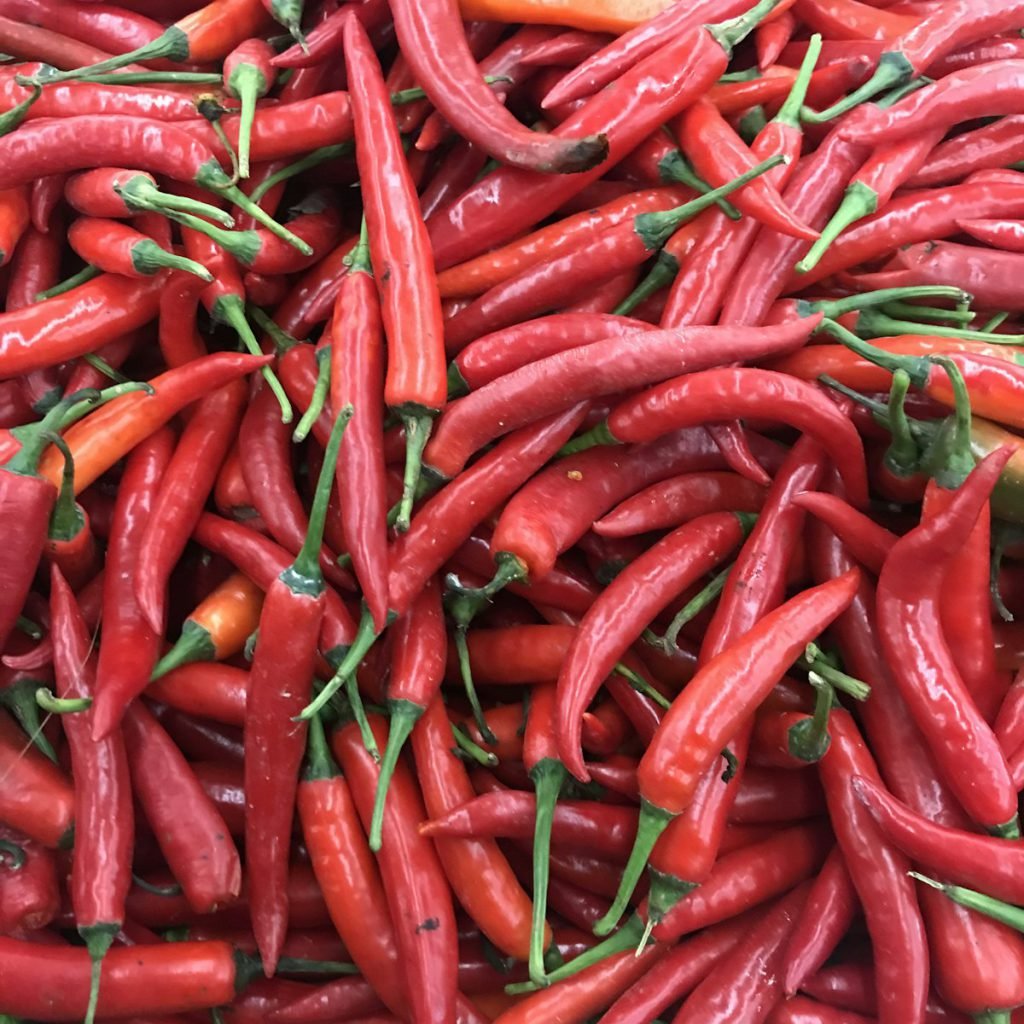
Detailed analysis of the current crop cycle: sun-curing conditions in Guntur, SHU heat stability (35,000 - 45,000 SHU), and strict gas chromatography controls ensuring 100% absence of synthetic adulterants.
1. Crop Yield & Weather Profiles across Krishna-Godavari Basin
The Guntur district in Andhra Pradesh remains the undisputed epicentre of Asian dry red chilli trade, processing over 1.2 million metric tons annually across its expansive Asia-Pacific yard.
Consistent sunshine during the primary curing period has preserved optimal capsaicin density while maintaining moisture levels within safe storage boundaries (<10.5%). This year’s S4/Sanem and 334 varieties display bright crimson pigmentation with minimal yellow calyx discoloration.
2. Meeting ASTA 60–80 and Strict Zero-Sudan Mandates
Industrial hot sauce manufacturers and spice grinders demand vibrant color without synthetic tampering. In international trade, the presence of carcinogenic industrial dyes (Sudan I, II, III, IV and Para Red) continues to trigger immediate border rejections and regulatory sanctions.
Zero-Tolerance PolicyEvery batch exported by Pranishth Global is tested using Liquid Chromatography-Tandem Mass Spectrometry (LC-MS/MS) with a detection threshold of 0.01 mg/kg (ppm).
3. Packaging Formats for Bulk Transit
To preserve the essential pericarp oils and prevent crushing during ocean transit, we provide either 25kg vacuum-baled woven PP packaging or corrugated export-grade cartons with polyethylene inner wraps.
Contributing Senior Fellow to the Pranishth Global Trade Research Desk. Advises European, US, and Middle Eastern procurement managers on spice chemistry, analytical lab validations, and maritime export standards.
Verify This Specification with an Express Sample Kit
Ask whether a product sample is available and what documents can be supplied for review.
Related Technical Briefings
View All ArticlesCurcuminoid Assay in Export Turmeric: HPLC vs Spectrophotometry Protocols
Why ASTA Method 18.0 (Spectrophotometric) often inflates active curcumin percentage, and how High-Performance Liquid Chromatography (HPLC) prevents costly EU/US port customs rejections.
Navigating Ocean Freight Realities: Mundra & JNPT to Rotterdam & Newark in 2026
A comprehensive operational briefing on managing moisture condensation during extended ocean voyages, selecting direct vs transshipment feeder lanes, and securing guaranteed container equipment.